

Key Takeaways
A well-written rental agreement clearly identifies the landlord, tenants, rental property, lease type, and duration.
Rent, security deposit, maintenance, and repair procedures should be explained in detail to reduce misunderstandings and disputes.
Clear policies on occupancy, pets, utilities, property use, parking, renewal, and move-out procedures help protect both landlords and tenants.
A rental agreement is much more than a simple administrative form created at the beginning of a lease. Through their terms and conditions, lease agreements, when written properly, will serve as a solid foundation for the relationship between landlord and tenant, establishing obligations and expectations of both parties and helping reduce chances of misunderstanding or conflict.
At the Maryland and Delaware Group, we understand how important a clear and comprehensive rental agreement is when it comes to protecting your property and supporting your long-term rental goals. In this article, we will explain what to include when drafting an agreement and why each of these elements matters.
Learn More About Our Free Rental Analysis
Start with the Full Identification Information
The first area to address is determining who the legal participants are in the rental agreement. While this may sound like an easy task, it is critical to clarify this section of the rental agreement. The specific information that should be included in this section is:
Legal name of the landlord or entity that owns the property.
Names of all adult tenants living in the property.
Any property management company information (if a property management company is managing the property).

When completing a rental agreement, landlords should collect appropriate emergency contact information and identify every adult tenant living at the property. Clearly listing all adult tenants creates accountability and helps establish each cotenant’s responsibility.
Without it, there could be difficulty enforcing the rental terms against multiple adult tenants. There will be no ambiguity as to which adult tenant is responsible for rent, damages, and compliance with the rental agreement.
Clear Identification of the Rental Property
The rental premises must be fully and accurately described within the rental agreement. Specifically, it must contain the full street address of the property, the apartment number, unit number, or equivalent, garage access, if included with the lease, parking assignments, if applicable, storage lockers, outdoor spaces, or similar areas, if included with the lease.
In addition to living space, there may be additional areas associated with a rental property that the tenants have access to, such as shared laundry facilities, assigned parking spaces, patios or decks, and storage lockers.
Clear rental terms are essential when setting expectations with new tenants, as they help everyone understand their responsibilities from the beginning.
The Lease Type and Duration
Furthermore, the rental agreement should provide clear and comprehensive details regarding how the rental agreement will be structured (e.g., month-to-month or fixed term) and the duration of the lease agreement.
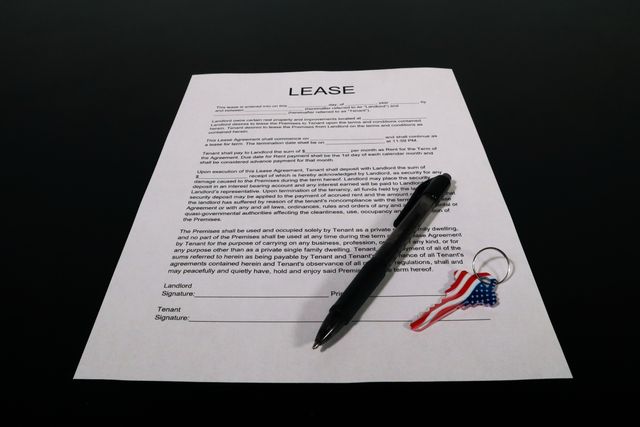
Unclear language about the duration of a lease can create confusion as to your rights and responsibilities. Clear language regarding specific timeframes will help reduce that uncertainty.
Clarify Rent Payment Terms
Rent is the basis of the rental relationship. It is essential that both parties understand what is expected in terms of rent payments.
Overview Of Our Property Management Services
The rental agreement must include: monthly rent amount, date the rent is due, types of payments accepted, possible grace period (if any) for rent payment, and consequences for non-payment.
Landlords should clearly state the acceptable methods for paying rent, such as an online payment portal, direct bank transfer, check, or certified funds. The Maryland Attorney General recommends carefully reviewing lease terms related to rent due and other rules. Clear payment instructions can help prevent unnecessary confusion and disputes between landlords and tenants.
Establish a Late Payment Policy
There will be times when a tenant will fail to make timely rental payments. It is necessary to establish the procedures in advance for dealing with these types of situations. To that end, the rental agreement should provide the amount of the late fee, the date that the late fee will be assessed, returned payment fees, and consequences for repeated non-payments.

Landlords must comply with local laws when setting up their fees, as unreasonable fees will be invalid. Providing clear guidelines can lead to fewer payment problems.
Security Deposit Expectations
Security deposits are often misunderstood. The security deposit section of the rental agreement should state the amount of the deposit, when the deposit may be deducted, when the deposit will be returned, and how to clean the unit before leaving.
The most common reasons landlords deduct from deposits include damage beyond normal wear and tear, not paying rent, buffer system costs, and not meeting cleaning standards set by the landlord.
Transparency makes it easier for both landlords and tenants to know what to expect with the rental property and allows both parties to have a better understanding of the financial obligations associated with renting.
Maintenance Obligations
A common cause of disagreements between landlords and tenants results from misunderstandings about maintenance obligations. A well-written rental agreement should specifically state what maintenance obligations each party has to perform.
Landlords are usually responsible for the plumbing, structure, HVAC (Heating, Ventilation and Air Conditioning), electrical systems and large appliances as explained in the tenant agreement.
The Maryland Courts provides additional information about repair disputes and other common housing cases. Clearly outlining these responsibilities can help prevent confusion and ensure maintenance issues are addressed before they worsen.
Develop a Maintenance Reporting Process
The tenant agreement should explain how tenants will submit requests for repairs. An example of this is: landlords may provide emergency contact numbers, email reporting instructions, online maintenance systems and expected turnaround time.

This is important because unless the tenant reports the maintenance problems promptly, the issue could become worse. A small leak for weeks can turn into a significant amount of damage associated with the water. Both parties benefit from having defined expectations for reporting.
Bottom Line
Other important rental agreement terms may cover occupancy limits, pet policies, utility responsibilities, property alterations, entry and notice requirements, conduct standards, parking rules, renewals, move-out procedures, required disclosures, and signatures.
A clear rental agreement helps define responsibilities, protect privacy rights, and reduce confusion about payments, maintenance, occupancy, and property care. Working with a professional property management company can also help ensure the agreement is thorough, consistent, and aligned with applicable requirements.

