

Key Takeaways:
Pet-friendly rentals in the Eastern Shore of Maryland and Southern Delaware expand the applicant pool, giving landlords more qualified tenant options and stronger negotiating power during vacancies.
Tenants with pets often stay longer, helping reduce turnover costs, vacancy periods, and leasing expenses while supporting more stable rental income.
Landlords can offset potential wear-and-tear risks by implementing pet rent, deposits, and fees, creating additional revenue streams from pet-friendly properties.
Clear pet policies, proper screening, and insurance review are essential to turning pet-friendly leasing into a controlled, strategic advantage rather than a liability.
For years, many landlords viewed pets as a liability due to concerns about noise, property damage, and extra maintenance.
But across the Eastern Shore of Maryland and Southern Delaware, more renters now consider pets part of the family, making pet-friendly rentals increasingly competitive.
For landlords with clear policies and proper screening systems, allowing pets can create valuable financial and operational advantages.
In many cases, pet-friendly rentals are becoming less of a risk and more of a strategic advantage. Let The Maryland and Delaware Group give you the rundown.
Learn More About Our Free Rental Analysis
Pet-Friendly Rentals Often Attract a Larger Applicant Pool
One of the biggest challenges landlords face during vacancies is narrowing the gap between move-outs and new leases. Every additional week a property sits empty affects cash flow.
A rental listing that welcomes pets immediately gains visibility among a broader group of applicants. That increased demand often gives landlords stronger negotiating leverage and more flexibility when selecting tenants.
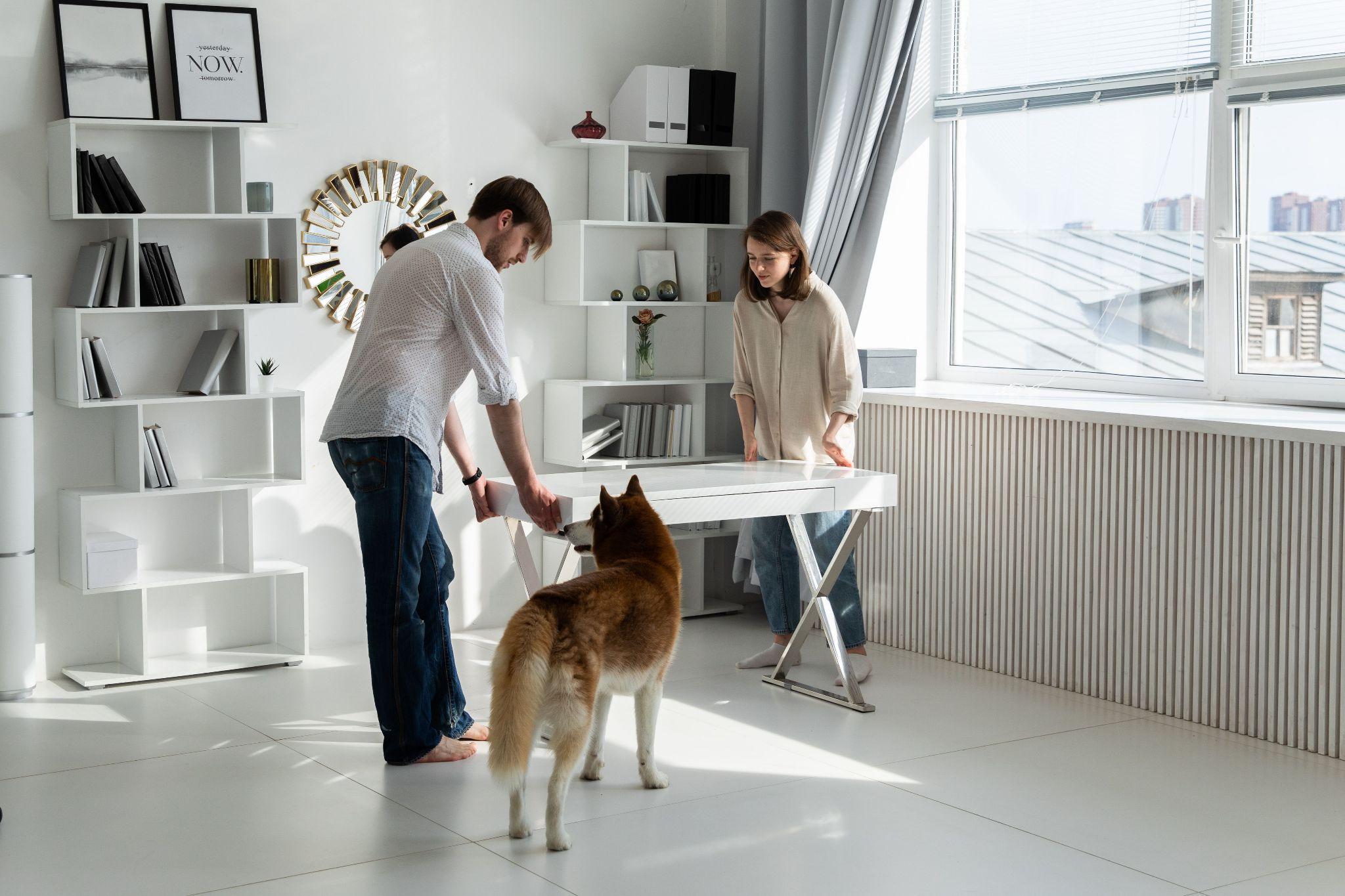
Restrictive pet policies can unintentionally shrink the number of qualified applicants dramatically. In coastal and small-town rental markets throughout Maryland’s Eastern Shore and Southern Delaware, many renters relocate with dogs or cats already part of their household.
Instead of lowering standards to fill a vacancy quickly, owners can focus on choosing renters who meet both financial and behavioral qualifications.
Pet Owners Tend to Stay Longer
Turnover is one of the most expensive parts of rental ownership. Cleaning costs, repainting, vacancy periods, marketing expenses, and leasing efforts can quickly reduce annual profitability.
Tenants with pets often remain in rentals longer because moving with animals is significantly more difficult. Finding another property that accepts pets, particularly larger dogs, can be challenging in many markets.
As a result, renters who secure housing that accommodates their pets are often highly motivated to renew their leases.
For landlords in beach towns, waterfront communities, and smaller suburban areas throughout the Delmarva region, longer tenancy periods can create more predictable income and fewer interruptions between leases.
Stable occupancy is particularly valuable in markets where seasonal demand fluctuates throughout the year.
Additional Revenue Opportunities Can Offset Risk
Pet-friendly rentals frequently generate additional income beyond base rent. Depending on state and local regulations, landlords may choose to implement:
Monthly pet rent.
Pet deposits.
Non-refundable pet fees.
Cleaning fees tied to pet occupancy.
These additional charges can help offset wear-and-tear concerns and support future maintenance costs.

In competitive rental markets, many pet owners already expect these fees and factor them into their housing budget. Because pet-friendly inventory can be limited, renters are often willing to pay more for properties that accommodate their animals responsibly.
Some landlords also discover that pet-friendly amenities improve competitiveness even further. Simple additions such as fenced outdoor areas, durable flooring, or nearby waste stations can make a property more attractive without requiring major renovations.
Responsible Pet Owners Mean Responsible Tenants
Owning a pet requires routine, consistency, and long-term care. Many landlords find that these habits translate positively into tenancy behavior as well.
While every applicant should still undergo full tenant screening, responsible pet owners are frequently attentive to schedules, property upkeep, and lease obligations.
Individuals caring for animals often value housing stability and may prioritize maintaining positive relationships with landlords to avoid jeopardizing their living arrangement.
That does not mean all pet owners automatically become ideal tenants. Screening still matters heavily. However, landlords who reject all pet applicants outright may unintentionally overlook highly qualified renters.
Strong screening practices should evaluate both the tenant and the animal involved.
Overview Of Our Property Management Service
Clear Policies Reduce Many Common Problems
Much of the stress associated with pet-friendly rentals comes from vague expectations rather than the pets themselves.
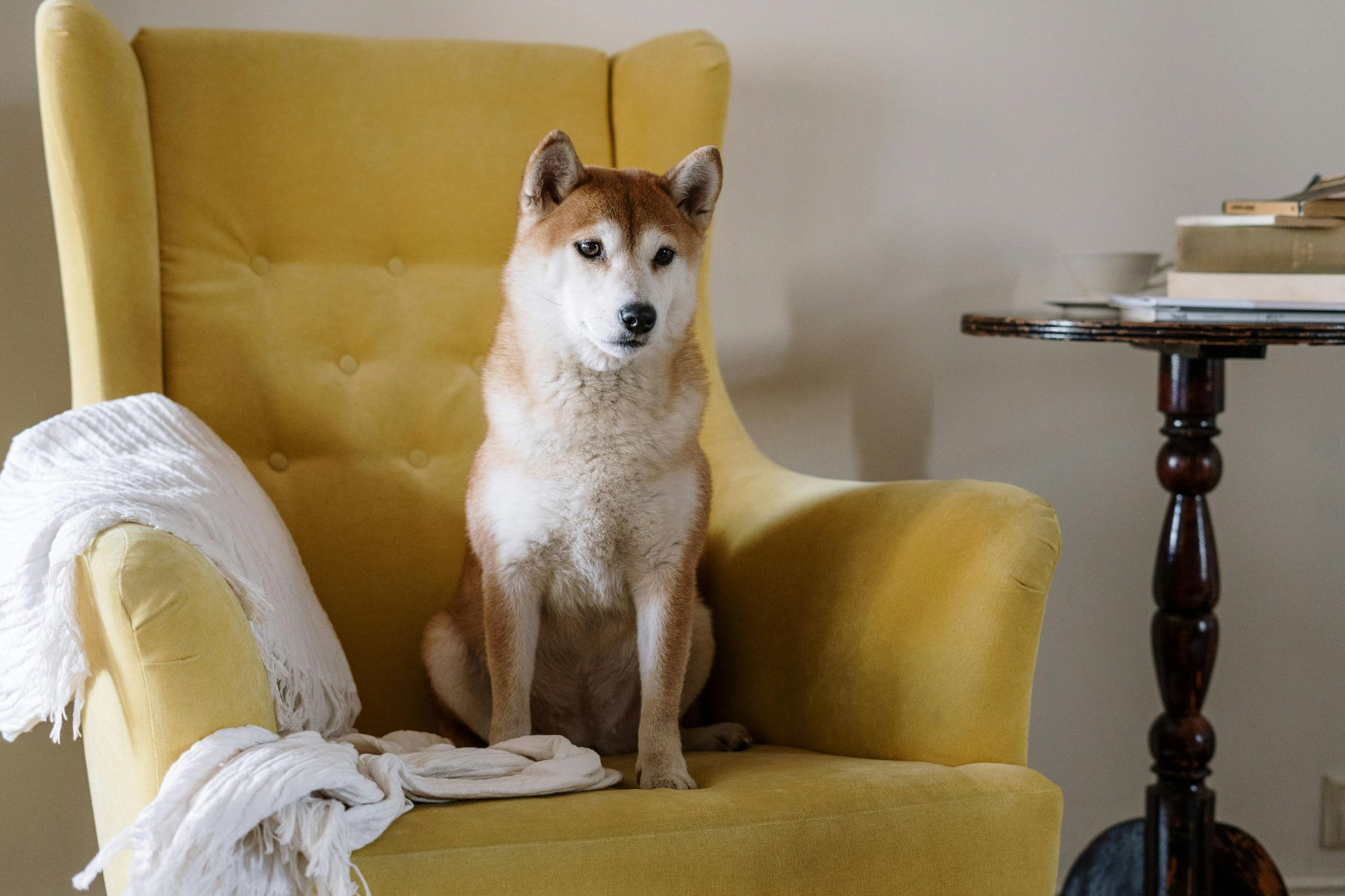
Well-structured pet policies can reduce misunderstandings significantly. A detailed pet addendum should outline:
Approved pet types and sizes.
Breed restrictions if applicable.
Noise expectations.
Waste disposal responsibilities.
Damage accountability.
Limits on the number of animals.
Vaccination requirements.
With clearly outlined expectations from the beginning, enforcement becomes more consistent and disputes become easier to manage.
Routine inspections can also help landlords identify minor concerns early before they develop into larger maintenance issues.
Insurance and Legal Awareness Matter
Before allowing pets, landlords should review insurance coverage carefully. Some policies contain breed restrictions or liability limitations tied to animal-related incidents.
Eastern Shore and Southern Delaware landlords should also remain aware of fair housing regulations involving service animals and assistance animals, which are treated differently from traditional pets under federal housing law.
Consulting legal professionals or experienced property managers can help owners create policies that protect both the property and the business itself.
Pet-Friendly Properties Can Build a Stronger Reputation
In many communities, word spreads quickly regarding rental experiences. Landlords known for fair policies, responsive management, and well-maintained pet-friendly housing often develop stronger reputations among renters.
This can lead to:
More referrals.
Better online reviews.
Faster leasing periods.
Higher tenant retention.
In lifestyle-driven coastal markets, renters increasingly prioritize homes that fit their everyday routines, including life with pets.

Like we said before, happy tenants make for responsible tenants. Properties that accommodate modern renter preferences thoughtfully may gain a long-term advantage over owners who continue relying on outdated restrictions
The Goal Is Smart Flexibility, Not Unlimited Access
Allowing pets does not mean removing standards. Successful landlords balance opportunity with structure by combining:
Careful tenant screening.
Clear lease language.
Consistent inspections.
Proper insurance coverage.
Transparent communication.
This approach helps landlords capture the benefits of pet-friendly housing while limiting avoidable risks.
In many cases, the issue is not whether pets should be allowed. The issue is whether the property is being managed strategically.
Final Thoughts
Across the Eastern Shore of Maryland and Southern Delaware, pet-friendly rentals are becoming increasingly attractive to today’s modern renters.
For landlords, allowing pets can support stronger occupancy, longer lease terms, additional rental income, and a broader applicant pool when managed properly.
Partnering with The Maryland Delaware Group Property Management can help landlords enforce pet policies, screen applicants thoroughly, maintain compliance, and protect the long-term performance of their rental investments. Contact us today to get started.

